As the golden years approach, seniors and retirees face a new set of financial challenges, with tax planning becoming increasingly important. Understanding the tax implications of retirement income sources, investments, and deductions can significantly impact a retiree’s financial well-being. In this blog post, we’ll explore some valuable tax tips designed for seniors and retirees, helping them navigate the complex tax landscape and make the most of their hard-earned money.
The IRS has $1.5 billion in unclaimed tax refunds for tax year 2019 and the deadline to file is approaching quickly. AffordableCEO David King and Lead Tax Attorney Philip Hwang provide helpful tips on how to find out if you’re eligible for a tax refund and how to claim it before time runs out.
Dealing with debt can be a stressful and overwhelming experience, but imagine finally having a weight lifted off your shoulders when a creditor cancels or forgives a portion of your outstanding debt. While the relief might be immense, it’s essential to understand that canceled debt can have significant tax implications. Many individuals are unaware that in certain circumstances, forgiven debts can be considered taxable income by the IRS. In this article, we will review the concept of canceled debt and its potential tax implications.
Life can be challenging when facing both financial difficulties and health issues. For individuals experiencing a debilitating condition while also owing back taxes, the situation can seem overwhelming. However, it’s essential to know that there are options available to help ease the burden. In this article, we will explore the process of obtaining disability benefits while managing tax debt, providing a comprehensive guide to assist those in need.
Marriage is viewed as a union of two individuals, joining both their lives and responsibilities. As financial obligations and responsibilities intertwine, questions arise about whether one spouse is accountable for the other’s past tax liabilities. In this article, we will delve into the concept of spousal responsibility for back taxes, exploring the factors that determine liability and the potential consequences for both parties involved.
AffordableCEO David King and Lead Tax Attorney Philip Hwang are back from their trip to Washington D.C., where they met with members of Congress and the IRS’s new leadership to discuss what’s new in the tax world. Here is Phil and David’s recap of that meeting, including the IRS’s Strategic Operating Plan, 5,000 new customer service agents, the changes the agency’s new commissioner has already implemented and what you as a taxpayer can expect moving forward.
Tax evasion and tax fraud are federal crimes that involve the willful attempt to either evade the assessment or the payment of taxes. But at what point does the IRS pursue criminal charges for these actions? What consequences are included in the criminal charges? How does one prevent these charges from being brought upon them? Here’s what you need to know about how and when the IRS pursues criminal charges against a taxpayer.
Buying a house is an exciting milestone in life, representing stability, investment, and the fulfillment of a dream. However, for individuals who owe back taxes, the path to homeownership can seem uncertain. It’s essential to understand the implications and challenges associated with buying a house while having outstanding tax debt. In this article, we will explore the factors to consider and strategies to help you navigate this unique situation.
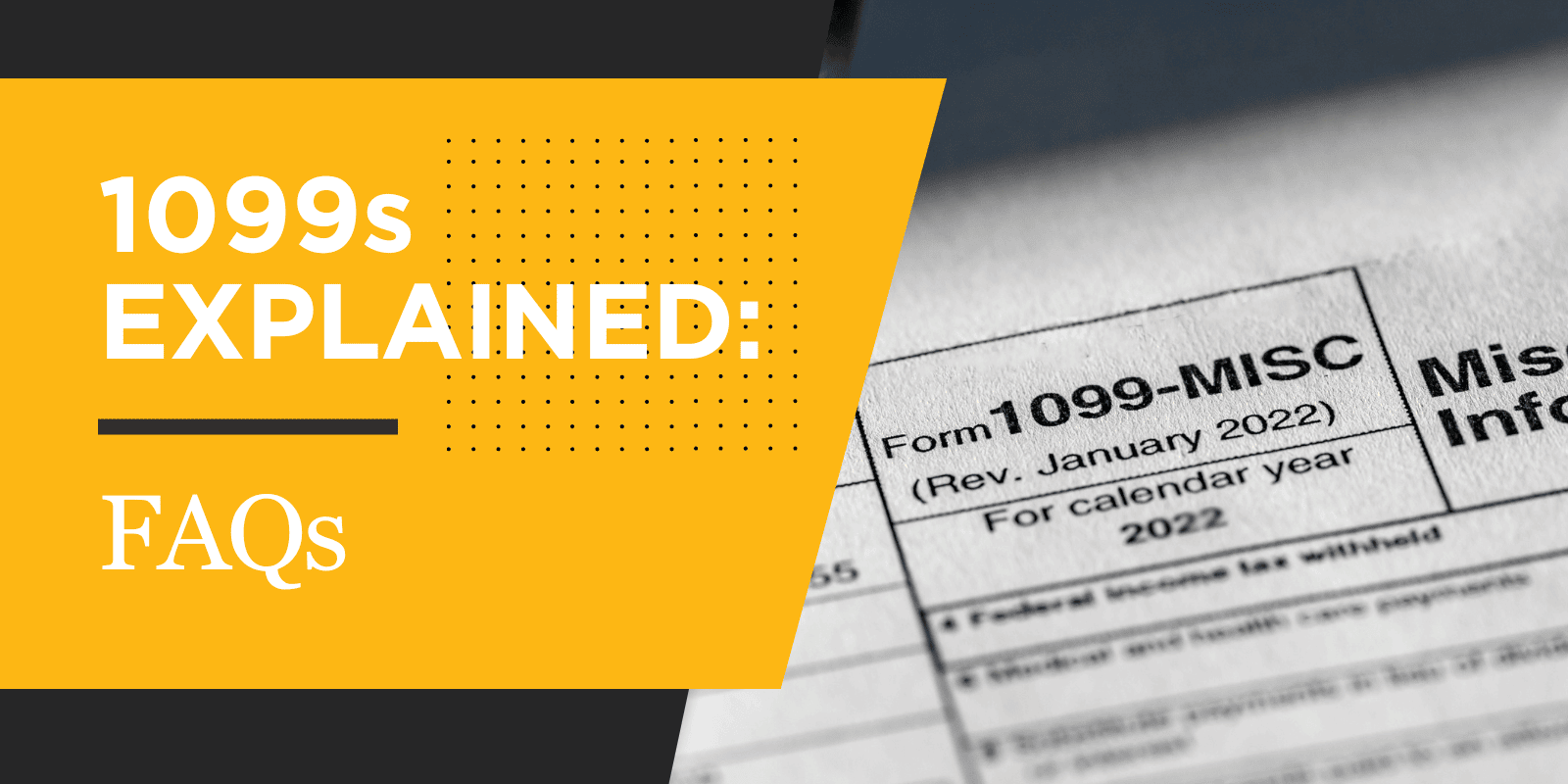
Form 1099 is more common than ever with many taxpayers turning to side hustles for extra income. Now that we have a good understanding of what types of 1099s there are and what they are used for, we can review some of the most frequently asked questions about them. Here are some of the most frequently asked questions about IRS Form 1099.
What if I mistakenly received a 1099?
If you received a 1099 by mistake, or if the amounts reported are incorrect, you should report the error to the payer immediately. If you’re lucky, they’ll be able to correct the error before sending a copy to the IRS. On the other hand, if they already have sent the 1099 to the IRS, you’ll need to request they send a corrected form. Spotting an error quickly will give you the best chance at avoiding further complications. That said, knowing which 1099s to expect in advance, and knowing the expected amount shown on them, can help you catch mistakes early on.
Do I need to report every 1099 I receive?
Every 1099 you receive should be considered in your tax return. This is because the IRS also receives a copy of each of your 1099s as well. For example, you must include all income earned through 1099-NEC, 1099-MISC, 1099-K, 1099-DIV, and others that report income. However, let’s say you receive 1099-S after the sale of your home. Remember, if the property was your primary residence for two of the five years before the sale, then up to $250,000 of the profit is exempt from taxes. This amount increases to $500,000 for married couples filing jointly. In this scenario, the transaction is not reportable. However, you will need to submit a written certification stating why you are exempt from capital gains on the transaction. Be sure to always consult with a knowledgeable tax professional about your reporting requirements.
What’s the difference between a 1099 and a W-2?
A 1099 form reports any income earned outside of regular employer income. It is commonly received by independent contractors, gig workers, and investors. A W-2 reports wages earned through an employer for the year. The biggest difference between the two forms is that the W-2 shows any taxes withheld from your wages, while the 1099 does not. That doesn’t mean you’re off the hook though. If you earn income through 1099s, you should be making estimated tax payments each quarter since the IRS requires taxes to be paid as income is earned. Failing to pay estimated taxes on 1099 income can result in penalties, interest and surprise tax bills.
What changes are coming for the 1099-K?
Previously, taxpayers only received a 1099-K, Payment Card and Third-Party Network Transactions, if they received over $20,000 in aggregate payments over 200 transactions through third-party payment networks, like Venmo or PayPal. For the 2024 tax year, the 1099-K reporting threshold was reduced down to just $5,000 in aggregate payments. Tax year 2025 will see this amount drop to $600. The IRS is expecting many more taxpayers to receive a 1099-K by the January 31st deadline, but with some hiccups along the way. For example, you may mistakenly receive a 1099-K for non-business transactions. Common scenarios may be collecting rent money from a roommate or receiving a friend’s portion of a dinner bill. In this case, it is up to you to contact the filer to request a corrected form.
What if I have more questions about 1099s?
We can’t stress enough just how complex 1099s can be. There are dozens of 1099 types and each with their own set of rules. Therefore, it’s best to consult a tax professional for insight on your own personal tax situation. Affordable Tax Relief is the nation’s leading tax resolution firm with over a decade of experience helping taxpayers with tough tax situations.
Tax time can be a stressful period for individuals and businesses alike. However, maintaining accurate and organized tax records throughout the year can make the process much smoother and alleviate unnecessary headaches. Whether you’re a freelancer, small business owner, or an individual taxpayer, this guide will provide you with valuable tips on how to keep good tax records, ensuring compliance, minimizing errors, and maximizing deductions.
Organize Your Documents
The best way to get started with keeping good tax records is to create a system to help you stay organized. To some, this may look like a filing system, either physical or digital. However, if you do go with a physical cabinet, you should still keep digital backup files. You can start organizing by labeling all documents by category, from income to expenses to deductions and credits. Then you may want to take it a step further and include subdivisions of each category. For example, you can break these down by month, expense type, or project.
Utilize Technology
Some of us are old school and that’s okay. However, working technology into your system can make things much more efficient. For example, if you’re looking for a specific file, doing a quick search on your computer will be a whole lot easier than digging through paper files. You may also want to consider using accounting software to track expenses and income. These tools can streamline the record-keeping process significantly, especially if you are running a business.
Separate Business and Personal Records
Speaking of business, always remember to keep your personal and business income and expenses completely separate from each other. This includes documentation and receipts.
Keep Records of All Relevant Information
It’s better to keep more records than you need just to be on the safe side. At the very least, you should keep the following for a minimum of three years:
Income records, including bank statements, W-2s, 1099s, receipts from rental income, etc. If you file jointly with your spouse, you’ll also need their records.
Expense documents, like receipts, invoices, checks, etc. Be sure these are categorized so it’s easier to claim certain deductions at tax time.
Investment records, such as purchase and sale details, dividend payments, capital gains and losses, etc.
Real estate records, including purchase agreements, mortgage interest statements, property tax records and more.
Track Your Deductions and Credits
During tax time, you’ll want to maximize your refund and savings by taking advantage of tax deductions and credits. Be sure to only claim the credits and deductions you qualify for and can substantiate with proof. For example, if you plan to deduct contributions made to charity, you should keep receipts and acknowledgements for donations you make. These will allow you to calculate your deductions. If you have education-related expenses, records of tuition payments, student loan interest, or materials can help prove your eligibility for education tax credits.
Get Tax Help
Keeping good tax records is essential for legal compliance, minimizing errors, maximizing deductions, making the audit process smoother, and gaining valuable financial insights. By investing time and effort in maintaining accurate and organized records, you can navigate tax season with confidence, minimize tax liabilities, and ensure smooth interactions with the IRS. Affordable Tax Relief is the nation’s leading tax resolution firm with over a decade of experience helping taxpayers with tough tax situations.
Home » You searched for invest » Page 33 Important IRS Forms to Know Tax Return Forms and Schedules There are hundreds of IRS tax forms and schedules out there that a tax filer can come across. Here are some of the more common ones that you should know about. ...