Capital gains represent the profit earned when an asset is sold for more than its original purchase price. This concept is crucial for investors, homeowners, and anyone involved in the buying and selling of valuable assets. Understanding how capital gains work and their tax implications can help individuals and businesses make informed financial decisions and reduce their tax burden.
What Are Capital Gains?
Capital gains occur when an asset appreciates in value and is then sold at a profit. The difference between the purchase price, known as the cost basis, and the selling price determines the gain. Various types of assets can generate capital gains, including stocks, bonds, real estate, businesses, and collectibles such as art or classic cars.
For example, if an individual purchases a stock for $5,000 and later sells it for $8,000, the capital gain is $3,000. Similarly, if a person buys a piece of real estate for $300,000 and later sells it for $400,000, the capital gain is $100,000.
Short-Term vs. Long-Term Capital Gains
The duration for which an asset is held before being sold determines whether the capital gain is classified as short-term or long-term. This classification significantly impacts the tax treatment of the gain.
Short-Term Capital Gains
Short-term capital gains arise when an asset is sold within one year of its purchase. These gains are taxed at the individual’s ordinary income tax rate, which can be significantly higher than the rates applied to long-term gains. For example, an individual in the 35% tax bracket who sells a stock within six months will pay taxes on the gain at the 35% rate, potentially reducing the net profit considerably.
Long-Term Capital Gains
Long-term capital gains apply to assets held for more than one year before being sold. The tax rates for long-term gains are generally lower, ranging from 0% to 20% depending on the taxpayer’s income level. For instance, an individual earning $50,000 per year may pay a 15% tax on long-term capital gains, while someone earning over $500,000 may be subject to a 20% rate. These lower rates incentivize long-term investing, as holding onto assets for a longer period results in more favorable tax treatment.
How Are Capital Gains Taxed?
Capital gains tax is imposed at both the federal and state levels, though specific rules vary by jurisdiction.
Federal Capital Gains Tax
The federal government taxes capital gains based on the taxpayer’s income level and the nature of the gain. For 2024, the long-term capital gains tax rates are as follows:
Tax Rate
Single
Married Filing Jointly
Married Filing Separate
Head of Household
0%
$0 to $47,025
$0 to $94,050
$0 to $47,025
$0 to $63,000
15%
$47,026 to $518,900
$94,051 to $583,750
$47,026 to $291,850
$63,001 to $551,350
20%
$518,901 or more
$583,751 or more
$291,851 or more
$551,351 or more
For 2025, the tax rates are:
Tax Rate
Single
Married Filing Jointly
Married Filing Separate
Head of Household
0%
$0 to $48,350
$0 to $96,700
$0 to $48,350
$0 to $64,750
15%
$48,351 to $533,400
$96,701 to $600,050
$48,351 to $300,000
$64,751 to $566,700
20%
$533,401 or more
$600,051 or more
$300,001 or more
$566,701 or more
Short-term capital gains, in contrast, are taxed as ordinary income. If an individual earns $100,000 per year and sells a stock within six months, their capital gain will be taxed at their regular marginal tax rate, which could be as high as 24%.
State Capital Gains Tax
Some states impose an additional tax on capital gains. California, for example, taxes capital gains as ordinary income, meaning a high-income earner in the state may pay up to 13.3% in additional taxes on top of federal capital gains taxes. Other states, such as Florida and Texas, do not tax capital gains at all, providing a more favorable tax environment for investors.
Capital Gains Exemptions and Deductions
Certain exemptions and deductions can reduce the tax burden associated with capital gains.
Primary Residence Exclusion
One of the most significant exemptions applies to the sale of a primary residence. Homeowners who meet specific criteria can exclude up to $250,000 of capital gains from taxation if they are single, and up to $500,000 if they are married and filing jointly. To qualify, the individual must have owned and lived in the home for at least two of the past five years before selling it. For example, if a married couple buys a home for $300,000 and later sells it for $800,000, they can exclude $500,000 of the gain, leaving only $0 subject to taxation.
Retirement Accounts and Deferrals
Certain investment accounts, such as 401(k) plans and IRAs, allow for tax-deferred or tax-free growth. Capital gains within these accounts are not taxed until withdrawals are made, and in the case of Roth IRAs, qualified withdrawals may be entirely tax-free. This provides a significant advantage for long-term investors who can reinvest their gains without immediate tax consequences.
Capital Gains vs. Capital Losses
While capital gains generate tax liabilities, capital losses can provide tax benefits. If an investor sells an asset for less than its purchase price, the resulting capital loss can offset capital gains and reduce taxable income.
For example, if an investor realizes a $5,000 gain from selling stocks but also incurs a $2,000 loss from another investment, the taxable gain is reduced to $3,000. If capital losses exceed capital gains, up to $3,000 of excess losses can be deducted against other income each year, with any remaining losses carried forward to future tax years.
Strategies to Minimize Capital Gains Taxes
There are several legal strategies individuals can use to minimize capital gains taxes and maximize their investment returns.
Holding Investments for the Long Term
Since long-term capital gains are taxed at lower rates than short-term gains, investors can reduce their tax burden by holding assets for more than one year before selling. For example, selling a stock after 13 months instead of 11 months could mean the difference between paying a 15% tax rate instead of a 24% rate.
Using Tax-Advantaged Accounts
Investing through tax-advantaged accounts, such as Roth IRAs, traditional IRAs, and 401(k) plans, can help defer or eliminate capital gains taxes. In a Roth IRA, qualified withdrawals are tax-free, meaning investors can avoid capital gains taxes entirely if they follow withdrawal rules.
Gifting Appreciated Assets
Gifting appreciated assets to family members in lower tax brackets can be an effective way to reduce capital gains taxes. If a high-income individual gifts stock to a child in a lower tax bracket, the child may be able to sell the stock and pay little to no capital gains tax, depending on their income level.
Donating to Charity
Donating appreciated assets to charitable organizations can provide both a charitable deduction and an avoidance of capital gains tax. If an individual donates stock worth $10,000 that was purchased for $5,000, they can claim a $10,000 charitable deduction while avoiding tax on the $5,000 gain.
Timing Sales Strategically
Spreading out the sale of assets over multiple years can help keep capital gains within lower tax brackets. Additionally, selling assets in a year with lower overall income may result in a lower tax rate on the gains.
Tax Help for Investors
Capital gains are an essential consideration for investors and asset holders, influencing financial planning and tax obligations. Understanding the difference between short-term and long-term capital gains, the impact of tax rates, and available exemptions can help individuals make more informed financial decisions. By employing strategies such as holding investments for longer periods, utilizing tax-advantaged accounts, and strategically timing sales, individuals can minimize their tax burden and maximize their financial gains. Consulting a tax professional can provide further guidance on navigating capital gains taxes effectively. Affordable Tax Relief is the nation’s leading tax resolution firm with over a decade of experience helping taxpayers.
Capital gains represent the profit earned when an asset is sold for more than its original purchase price. This concept is crucial for investors, homeowners, and anyone involved in the buying and selling of valuable assets. Understanding how capital gains work and their tax implications can help individuals and businesses make informed financial decisions and reduce their tax burden.
Receiving an IRS notice can be stressful, but understanding what it means is the first step toward resolving your tax situation. In Part 2 of our IRS Notices series, CEO David King and Lead Tax Attorney Philip Hwang explain what your notice means and outline the key steps you can take to resolve your tax situation before it escalates.
Selling a home can be a huge financial decision with numerous factors to consider. One of the most important factors might be the tax implications. While most might be eager to make a huge profit from selling their home, it is critical to understand the tax rules and regulations that apply to this transaction in order to be prepared and make informed decisions. In this post, we will look at the primary tax implications of selling a house. This will include potential capital gains taxes and exemptions, as well as crucial homeowner concerns.
The “widow’s penalty” refers to the financial disadvantages that widows often face after the death of their partners. Losing a spouse is an emotionally overwhelming experience, and unfortunately, for many widows, the challenges extend beyond the realm of grief. This penalty manifests in various forms, from reduced Social Security benefits to inflated Required Minimum Distributions (RMDs) to potential estate tax issues. In this article, we will explore the different aspects of the widow’s penalty and discuss potential strategies for navigating these challenges.
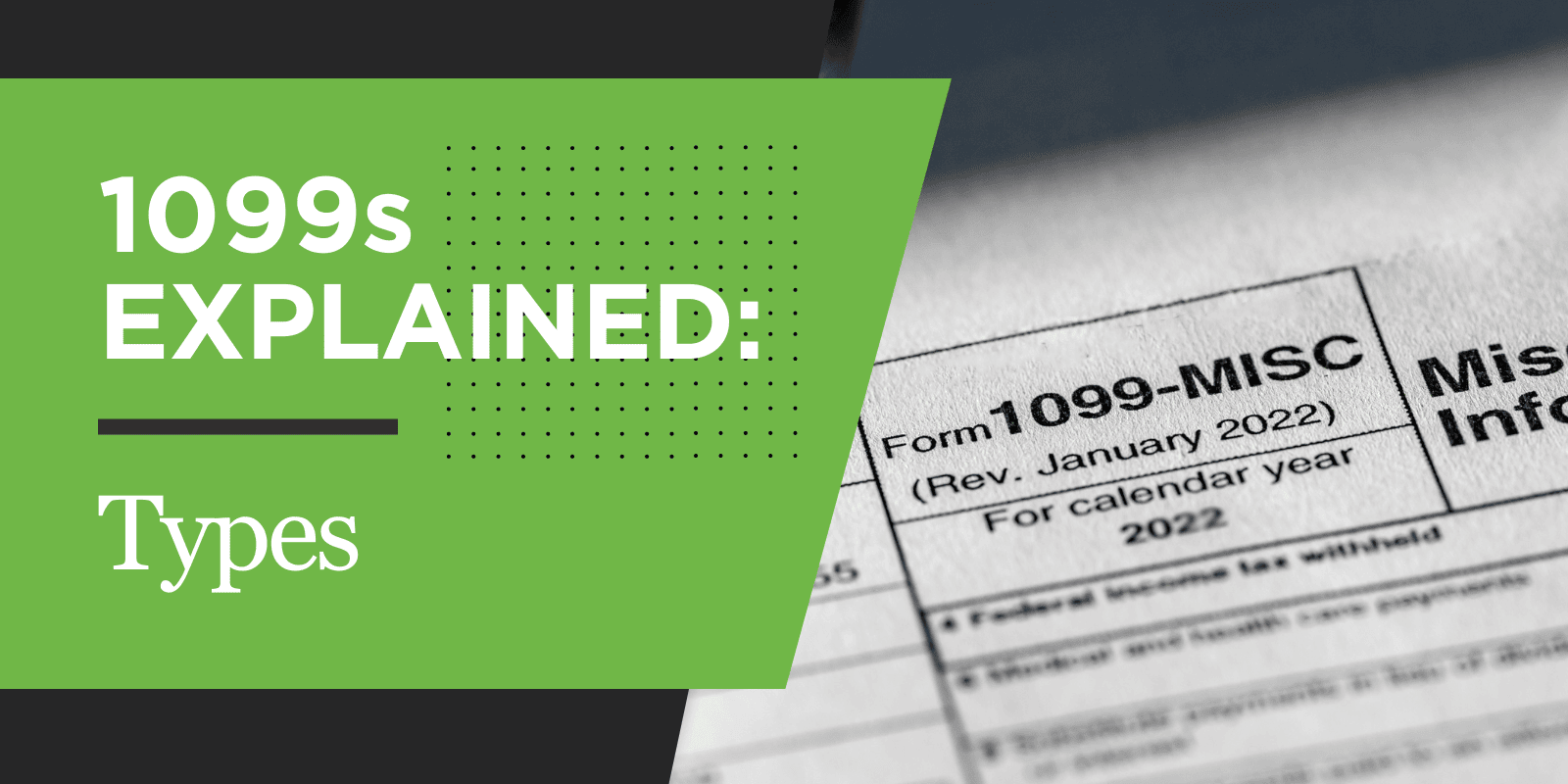
IRS Form 1099 is a crucial tax document used to report various types of income received outside of traditional employment. Now that we know the basics of IRS Form 1099, we can take a closer look at the different types of 1099s you can receive. Remember, if you received any income outside your employer, you might receive a 1099. While most types of Form 1099 are not commonly received, there are a handful that you are likely to come across at some point. Whether you are an independent contractor, an investor, or someone who has received unemployment benefits, understanding the different types of 1099s can help you stay compliant with tax laws and avoid surprises during tax season. Here’s an overview of the different types of Form 1099.
Common Types of 1099
Receiving a 1099 is more common than you’d think. You can receive a 1099 if you have a side gig, earn interest on a bank account, or sell stocks. Let’s review the most common types of 1099.
1099-MISC: Miscellaneous Income
The 1099-MISC is used to report various types of income that do not fall under the category of non-employee compensation. This includes rent payments, royalties, awards, medical and health care payments, crop insurance proceeds, attorney payments, legal settlements, and others. Businesses that pay at least $600 in rent to a landlord, for example, must issue a 1099-MISC.
Consider a scenario where a business leases office space from an independent property owner and pays $1,200 per month in rent. By the end of the year, the business has paid $14,400 in total rent. The landlord should receive a 1099-MISC documenting these payments, which they must report as rental income on their tax return.
1099-NEC: Nonemployee Compensation
One of the most frequently issued 1099 forms is the 1099-NEC. The 1099-NEC form is used to report non-employee compensation, including independent contractors, freelancers, sole proprietors, and self-employed individuals. If you received $600 or more in non-employee compensation during the tax year, you should receive a 1099-NEC. This form is used to report payments made for services rendered. These might include consulting fees, professional services, and other types of compensation.
For example, a small business hires a freelance graphic designer to create a new logo and pays them $1,500 over the course of the year. Since the total payment exceeds the $600 threshold, the business must issue a 1099-NEC to the designer and report the payment to the IRS. Unlike traditional employees, independent contractors do not have taxes withheld from their earnings. This means they are responsible for making estimated tax payments throughout the year to cover income tax and self-employment tax obligations.
1099-INT: Interest Income
Banks, credit unions, and financial institutions issue 1099-INT forms to individuals who earn interest income. This includes interest from savings accounts, certificates of deposit (CDs), and U.S. Treasury bonds. If you earned more than $10 in interest income, the financial institution is required to disburse a Form 1099-INT. The form will go both to you and the IRS.
Suppose a taxpayer holds a high-yield savings account that generates $750 in interest over the year. The bank will send them a 1099-INT, which must be included on their tax return as taxable income. Even if the taxpayer does not receive the interest as cash—such as in the case of a reinvested bond—it still must be reported.
1099-DIV: Dividends and Distributions
Form 1099-DIV is used to report dividends and distributions that are paid to you during the tax year, as well as any federal income tax withheld. This can include ordinary dividends, which are paid out of a company’s earnings and profits, qualified dividends, capital gain distributions, and non-dividend distributions. It does not include any dividends that you accrued through tax-sheltered retirement accounts. You will typically receive a 1099-INT if you received at least $10 in dividend income.
For example, an individual who owns shares in a dividend-paying stock earns $1,200 in dividends throughout the year. Their brokerage firm will send them a 1099-DIV summarizing these payments. If some of the dividends qualify for a lower tax rate, they will be classified as “qualified dividends” on the form.
1099-K: Payment Card and Third-Party Network Transactions
Form 1099-K is meant to track payments made through third-party networks, such as PayPal, Venmo, or credit card transactions. This form is issued when total transactions exceed a specific threshold. For tax year 2024, the threshold for reporting is $5,000, meaning businesses or individuals who receive more than this amount through third-party networks will receive a 1099-K in 2025. The threshold for tax year 2025 is $2,500, and it will decrease to just $600 in 2026.
For instance, a small bakery that accepts credit card payments through Square receives $5,000 in transactions over the course of the year. Square will issue a 1099-K to report this income. If the bakery owner also accepts cash payments, those earnings must be self-reported, as they will not be included on the 1099-K.
Other Common Types of 1099
Now let’s look at some other types of 1099. These are not the most common, but you are likely to come across these at some point in life.
1099-B, Proceeds from Broker and Barter Exchange Transactions
This form reports the sale of stock, bonds, and other securities through a broker, as well as barter exchange transactions. It includes details on the sale price, cost basis, and whether the transaction resulted in a capital gain or loss. These transactions must be reported even if you had a loss or broke even.
1099-G, Certain Government Payments
This reports payments you received from government agencies, including unemployment, tax refunds, taxable grants, and more. Since unemployment income is generally taxable at the federal level, recipients may need to pay taxes on these benefits when filing their return.
1099-R, Distributions from Pensions, Annuities, Retirement or Profit-Sharing Plans, IRAs, Insurance Contracts, etc.
This reports distributions from annuities, profit-sharing plans, retirement plans, IRAs, insurance contracts, or pensions. Withdrawals from these accounts may be subject to income tax, and in some cases, early withdrawals before age 59½ may incur additional penalties. You should consult with a tax professional about whether you will owe tax on these distributions.
1099-S, Proceeds from Real Estate Transactions
1099-S reports the sale or exchange of real estate. The form reports the gross proceeds from the sale, which may be subject to capital gains tax depending on the seller’s circumstances. If the property was your primary residence for two of the five years before the sale, then up to $250,000 of the profit is exempt from taxes. This amount increases to $500,000 for married couples filing jointly.
1099-SA, Distributions From an HSA, Archer MSA, or Medicare Advantage MSA
This form reports distributions made from a health savings account (HSA), Archer Medical Savings Account (Archer MSA), or a Medicare Advantage Medical Savings Account (MA MSA). Distributions can be taxable if they were used to pay for qualified medical expenses, if they were not rolled over in some cases, if excess contributions were made, and other scenarios. You should consult with a tax professional about whether you will owe tax on these distributions.
Less Common Types of 1099
Now let’s review the less common types of 1099. Remember, even if these are less common, the IRS is still diligently tracking which tax forms are reported. Be sure to include all 1099 income on your tax return.
1099-A, Acquisition or Abandonment of Secured Property
1099-A reports foreclosures on properties. You may be liable for capital gains tax and income tax for any unpaid foreclosed mortgage balances.
1099-C, Cancellation of Debt
This form reports discharged, forgiven, or canceled debt. This can include your property foreclosure or forgiven credit card debt but typically excludes debt discharged in bankruptcy. You will need to claim the amount reported on your 1099-C as taxable income.
1099-CAP, Changes in Corporate Control and Capital Structure
Form 1099-CAP reports the amount of cash, stock, or property received after a significant change in the company’s control or capital structure.
1099-DA, Digital Asset Proceeds From Broker Transactions
Form 1099-DA reports digital asset transactions, including crypto trades. It requires brokers to report users’ transaction details to the IRS, similar to how stock trades are reported on Form 1099-B.
1099-H, Health Coverage Tax Credit (HCTC) Advance Payments
This reports any advance payments of qualified health insurance payments you received. If you qualify for trade adjustment assistance (TAA), alternative TAA (ATAA), reemployment TAA (RTAA), or Pension Benefit Guaranty Corporation (PBGC), you might see this form.
1099-LTC, Long Term Care and Accelerated Death Benefits
Form 1099-LTC reports payments made under a long-term care insurance contract. This includes accelerated death benefits, or benefits received before death because the policyholder has been deemed terminally ill by a doctor. The amount shown on the 1099-LTC are generally tax-free but are required to be reported to the IRS.
1099-LS, Reportable Life Insurance Sale
This form reports the amount paid to you from a life insurance sale.
1099-OID, Original Issue Discount
1099-OID reports $10 or more of income received when bonds, notes, or certificates of deposit (CDs) are sold at a discount from their maturity value.
1099-PATR, Taxable Distributions Received from Cooperatives
This reports at least $10 in patronage dividends and other distributions from a cooperative (co-op) in the prior year.
1099-Q, Payments from Qualified Education Programs
1099-Q reports total withdrawals from qualified tuition programs (QTPs) like 529 plans or Coverdell educational savings accounts. This amount may be taxable, depending on how the funds were used.
1099-QA, Distributions from ABLE Accounts
Form 1099-QA reports distributions from an Achieving a Better Life Experience (ABLE) Account for special needs individuals with a disability. These funds are not taxable if you used them to support a disabled individual.
1099-SB, Seller’s Investment in Life Insurance Contract
Form 1099-QA reports distributions from an Achieving a Better Life Experience (ABLE) Account for special needs individuals with a disability. These funds are not taxable if you used them to support a disabled individual.
What to Do If You Receive a 1099
If you receive a 1099, carefully review it for accuracy. If the information is incorrect, request a correction from the issuer. Failing to report 1099 income can result in IRS penalties, so ensure all taxable amounts are included in your return. Maintaining proper records throughout the year can help simplify tax filing. If you have multiple 1099s or complex income sources, consulting a tax professional can help you navigate potential deductions and minimize tax liability.
Tax Help for Those Who Receive 1099s
The types of Form 1099 and the accompanying filing requirements can quickly become complicated. You should always consult with a tax professional if you are unsure about your tax filing requirements. Remember, even if you do not receive a 1099 for income earned, it’s still your responsibility to include it in your taxable income. Not doing so can be a major red flag to the IRS and can result in an audit. Affordable Tax Relief is the nation’s leading tax resolution firm with over a decade of experience helping taxpayers with tough tax situations.
The Internal Revenue Service (IRS) is the federal agency responsible for administering and enforcing tax laws in the United States. Operating under the Department of the Treasury, the IRS plays a vital role in collecting taxes, processing tax returns, issuing refunds, and ensuring compliance with tax obligations. Understanding how the IRS functions is essential for both individuals and businesses to navigate the complexities of the U.S. tax system effectively.
History of the IRS
The roots of the IRS trace back to the Civil War era when President Abraham Lincoln and Congress established the Office of the Commissioner of Internal Revenue in 1862 to fund the war through income taxes. Although the original income tax was repealed a decade later, the need for a consistent revenue source led to the ratification of the 16th Amendment in 1913. This amendment granted Congress the authority to levy an income tax without apportioning it among the states, paving the way for the modern IRS.
Over the years, the IRS has evolved significantly. The introduction of electronic filing (e-filing) in 1986 revolutionized how taxpayers submitted returns. By the early 2000s, millions of Americans were filing electronically, streamlining the process and reducing errors. Another notable milestone was the 1998 IRS Restructuring and Reform Act, which aimed to improve customer service and protect taxpayer rights.
Primary Functions of the IRS
The IRS’s primary functions involve tax collection and enforcement, tax return and refund processing, taxpayer assistance and resources, and administering tax credits and benefits.
Tax Collection and Enforcement
One of the IRS’s core responsibilities is collecting taxes from individuals and businesses. Federal taxes include income tax, corporate tax, employment tax, and excise tax. When taxpayers fail to meet their obligations, the IRS has various enforcement tools at its disposal. These range from issuing notices and imposing penalties to levying wages or seizing assets. For example, if an individual owes $15,000 in unpaid taxes, the IRS may garnish wages or place a lien on property to recover the debt.
Tax Return Processing and Refunds
Each year, the IRS processes over 150 million individual tax returns. During the tax season, millions of taxpayers file by the April deadline, with many anticipating refunds. The IRS uses sophisticated systems to verify information, calculate refunds, and detect discrepancies. For instance, if someone claims the Earned Income Tax Credit (EITC), the IRS may hold the refund until mid-February to prevent fraud. In 2023, the average refund was approximately $3,000, highlighting the importance of accurate filing.
Providing Taxpayer Assistance and Resources
The IRS offers a range of services to help taxpayers understand and fulfill their tax responsibilities. These include online tools, telephone assistance, and in-person help at local Taxpayer Assistance Centers (TACs). Resources such as the “Where’s My Refund?” tool and IRS Free File program provide convenient options for managing tax matters. For example, a taxpayer unsure about their filing status can use the Interactive Tax Assistant (ITA) to get personalized guidance.
Administering Tax Credits and Benefits
Beyond collecting taxes, the IRS administers various credits and benefits designed to support taxpayers. These include the Child Tax Credit (CTC), EITC, and American Opportunity Tax Credit (AOTC). During the COVID-19 pandemic, the IRS also distributed Economic Impact Payments (stimulus checks) and managed advanced Child Tax Credit payments. These initiatives underscore the IRS’s role in delivering financial relief during critical times.
Structure of the IRS
Understanding how the IRS is structured is key to understanding how the agency works as a whole.
Overview of Leadership and Divisions
The IRS is led by a Commissioner appointed by the President and confirmed by the Senate. The Commissioner oversees the agency’s operations, ensuring compliance with tax laws and effective service delivery. Under the Commissioner, the IRS is divided into several major divisions catering to different taxpayer segments.
Key Departments and Their Roles
The Wage and Investment Division handles services for individual taxpayers, managing the majority of tax returns filed. The Small Business/Self-Employed Division focuses on compliance and assistance for small businesses and self-employed individuals. The Large Business and International Division addresses tax matters for multinational corporations and large partnerships. Additionally, the Criminal Investigation Division investigates tax fraud and other financial crimes. In 2022, for example, the division successfully prosecuted numerous cases involving fraudulent refund schemes and offshore tax evasion.
How the IRS Affects Taxpayers
Most people encounter the IRS during tax season when filing returns or receiving refunds. Businesses interact more frequently, especially when dealing with payroll taxes, quarterly estimated payments, and compliance checks. For example, a small business owner must remit employment taxes on behalf of employees and may face penalties for missed deadlines.
Common IRS Communications
The IRS communicates primarily through mail, issuing letters and notices regarding tax matters. Notices may inform taxpayers of balances due, adjustments to returns, or audit notifications. Suppose someone receives a CP2000 notice, which indicates discrepancies between reported income and third-party data. In that case, responding promptly with supporting documents can resolve the issue without further action.
Importance of Compliance and Recordkeeping
Compliance with tax laws is crucial to avoid penalties, interest, and legal action. Maintaining accurate records of income, expenses, and deductions simplifies the filing process and supports claims in case of an audit. For instance, retaining receipts for charitable donations ensures you can substantiate deductions if questioned by the IRS.
IRS Tools and Resources
Over the years, the IRS has worked to improve IRS tools and resources available to taxpayers.
IRS Online Account Services
The IRS has expanded digital services to enhance taxpayer convenience. With an IRS Online Account, individuals can view tax balances, make payments, and access past tax records. For example, someone needing a transcript to apply for a mortgage can download it instantly, saving time compared to traditional mail requests.
The TAS is an independent organization within the IRS dedicated to assisting taxpayers facing unresolved issues or financial hardship. If you’re experiencing delays or difficulty navigating the system, the TAS can intervene and work to resolve the matter. In one case, a taxpayer waiting months for a refund received assistance through the TAS, resulting in expedited processing.
Educational Resources and Publications
The IRS provides a wealth of information through its website, including publications, tax guides, and instructional videos. Topics range from basic filing instructions to complex tax scenarios. For example, Publication 17 offers a comprehensive overview of individual tax filing requirements, while Publication 463 covers travel, gift, and car expenses for businesses.
The IRS Under the Trump Administration
Under the Trump administration, the IRS faces significant budget constraints, leading to staff reductions and an overall diminished capacity to handle the growing complexities of the U.S. tax system. Senate Finance Committee Democrats have raised concerns about how these cuts could impact taxpayers. They’ve warned that IRS staffing reductions would result in delays in processing tax refunds, potentially prolonged wait times on the IRS helpline, and generally degraded taxpayer services. As the IRS struggles to manage these challenges, the agency faces difficulties in handling returns, auditing, and assisting taxpayers with issues such as tax compliance and refunds.
For taxpayers, these issues could lead to frustration, especially for those who rely on timely refunds or need assistance navigating tax complexities. Delays in refunds could negatively impact individuals and businesses that depend on those funds, while long wait times or poor service might leave many unable to resolve issues efficiently.
Trust Affordable Tax Relief for Help with the IRS
At Affordable Tax Relief, we understand how frustrating IRS delays and poor service can be, especially when you’re waiting for your tax refund or trying to resolve complex issues. Our team of tax experts guide taxpayers through the uncertainty, providing clear, actionable advice and ensuring you know what steps to take. Whether you’re facing delays or need assistance navigating IRS processes, we’re committed to offering personalized solutions that save you time and stress.
With us on your side, you don’t have to face these challenges alone. We’ll help you resolve any IRS issues and provide proactive support to ensure your tax matters are handled with care and efficiency. Trust us to be your reliable partner in times when the IRS is stretched thin and let us help you get the results you deserve. Affordable Tax Relief is the nation’s leading tax resolution firm with over $3 billion in resolved tax liabilities.
Receiving a 1099 is becoming more and more common with the rise in small businesses, side hustles, and the desire for a second stream of income. With the additional income comes a different tax filing process. If you receive a 1099, it’s because you earned a certain amount of income from a non-employer. Like most income, 1099 income is taxable. Here’s a breakdown of the basics of the IRS 1099 form.
What is a 1099?
IRS Form 1099 is actually a collection of tax forms, and not just one single form. If you receive a 1099 form, it means that the sender paid you a certain amount of money, usually at least $600, in the previous year. These funds could be from income you received as an independent contractor, rental income, dividend payouts, and more. These forms serve as a record of payments made to individuals or entities during the tax year. They are used by businesses, banks, and other institutions to inform both the recipient and the IRS of income that may be subject to taxation.
Unlike W-2 forms, which report wages and withhold payroll taxes, 1099s generally do not have federal or state taxes withheld. Recipients are responsible for calculating and paying any taxes owed on this income, often through estimated tax payments. For example, a freelance graphic designer completes a project for a company and is paid $2,000. They will likely receive a 1099-NEC reporting that payment. The company issuing the form does not withhold taxes. The freelancer must account for self-employment taxes and income taxes when filing their return.
Who receives a 1099?
Many individuals and businesses receive 1099 forms if they have earned qualifying income. Independent contractors and freelancers are among the most common recipients. Among many other scenarios, you’ll likely receive a 1099 if you:
Are a freelancer or independent contractor
Received $600 or more for rent, prizes, awards, and other types of payment
Received $10 or more in royalties or broker payments
Received $20,000 or more via third-party apps like Venmo or PayPal
Received unemployment compensation
Earned interest, dividends, or capital gains from banks, brokerage firms, and investment companies
What are the most common types of 1099s?
We’ll break down each type of 1099 in our next post, but here are the most common ones:
1099-DIV: Dividends and Distributions
1099-G: Certain Government Payments
1099-INT: Interest Income
1099-K: Payment Card and Third-Party Network Transactions
1099-MISC: Miscellaneous Income
1099-NEC: Nonemployee Compensation
1099-R: Distributions from Pensions, Annuities, Retirement or Profit-Sharing Plans, IRAs, Insurance Contracts, etc.
When Should You Receive a 1099?
Issuers are required to send 1099 forms by January 31 each year. If you have not received a 1099 by early February but expect one, you should follow up with the issuer. On the other hand, if you receive a 1099 that’s incorrect, you should contact the payer to request a corrected form. If the issue is not resolved, you can still report the correct income on your tax return and attach an explanation if necessary.
What if I don’t receive a 1099 for income I earned?
Even if you do not receive a 1099, you are still responsible for reporting all taxable income to the IRS. The absence of a form does not exempt you from paying taxes on that income. For example, if a freelancer earns $500 from a single client, the client may not issue a 1099-NEC because they did not meet the $600 threshold. However, the freelancer must still report the income on their tax return.
To avoid underreporting, individuals should keep detailed records of all payments received throughout the year. Bank statements, invoices, and payment app records can serve as proof of income when preparing a tax return. Failing to report income, even if no 1099 was received, can lead to penalties and potential IRS audits. The IRS receives copies of 1099s from businesses and financial institutions, so any discrepancies between reported income and IRS records can trigger scrutiny.
It’s critical to wait for all tax forms before filing your tax return. If you are still waiting for a 1099 after the deadline and the tax deadline is approaching, reach out to the payer responsible for sending it and request a copy be sent to you. Be sure to give yourself enough time to request and receive the 1099 copy to avoid submitting a late tax return.
How to File Taxes with a 1099
When filing a tax return, 1099 income must be reported in the appropriate section. Freelancers and independent contractors report their earnings on Schedule C, where they can also deduct business expenses. Investors report capital gains and losses on Schedule D, while interest and dividends are recorded on Schedule B. Since 1099 income often does not have taxes withheld, recipients may need to make estimated tax payments throughout the year to avoid penalties. These payments are made quarterly to the IRS and help cover income taxes and self-employment taxes.
It’s important to note that the amounts shown on 1099s represent gross income before expenses. If you’re self-employed, you can deduct legitimate business expenses on Schedule C, which reduces your taxable income. Expenses can include supplies, software, marketing, and travel related to your work. For example, if your 1099-NEC shows $10,000 of income, but you spent $2,000 on necessary business expenses, you only pay taxes on $8,000. Investors use Schedule D to report capital gains and losses from amounts shown on 1099-DIV or 1099-B, while interest and dividends are reported on Schedule B.
Common Mistakes to Avoid with 1099s
The most common mistake to avoid with 1099s is to omit the income from your tax return or report it late. If you discover an error after filing, you should amend your return as soon as possible using Form 1040-X. For example, failing to report a $5,000 1099 could result in an underpayment penalty, which increases the longer the tax remains unpaid. Filing an amended return promptly can help minimize additional charges.
Another common error is overlooking 1099 forms that arrive late or get misplaced. Since the IRS receives copies of all 1099s issued to you, failing to include reported income can trigger an audit. Always review your tax documents thoroughly and cross-reference them with your records. Finally, misunderstanding the difference between gross and net income can be a common issue. Only deduct expenses that are ordinary and necessary for your business and keep receipts and documentation in case of an audit.
Tax Help for Those Who Receive Form 1099
Overall, understanding the 1099 form is important for anyone who receives income from sources other than an employer. By properly reporting all income received on the form, individuals can avoid penalties and ensure that they pay the correct amount of taxes on their income. Affordable Tax Relief is the nation’s leading tax resolution firm with over $3 billion in resolved tax liabilities.